
Designing Minds:
What Architects can learn about Culture, Creativity and Wellbeing
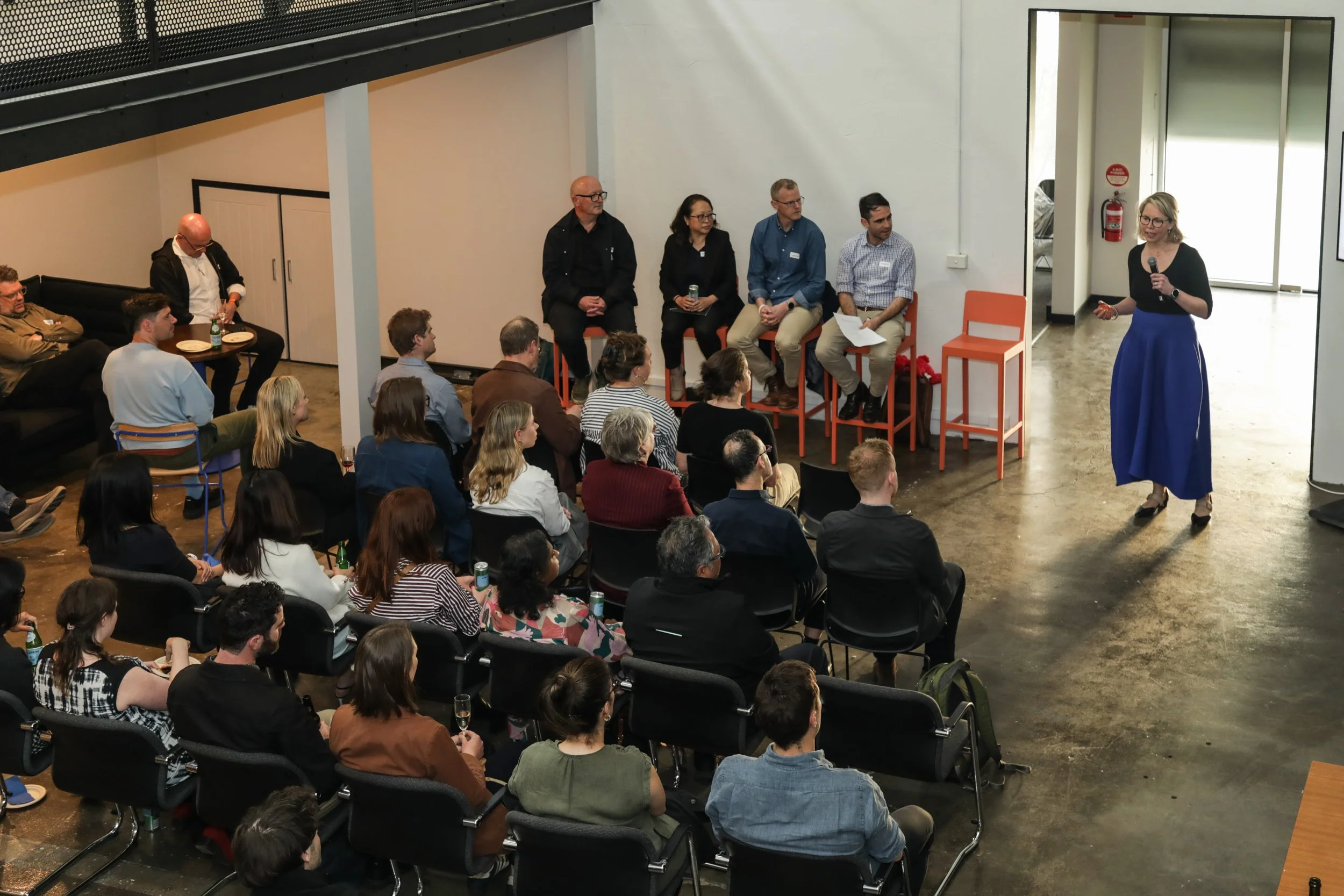
At the recent Architect’s Mental Wellbeing Forum event hosted by the Association of Consulting Architects and Built Environment Channel, psychologist and neuro-inclusion specialist Kim Singline delivered a keynote that resonated deeply with an industry known for intensity, precision and passion. Her message was clear: architecture cannot achieve creativity, innovation or excellence if its culture is running on exhaustion.
Culture as a Design Problem — and a Design Opportunity
Workplace culture is an architectural design challenge: a system to be intentionally crafted rather than left to form by accident. Leaders act as the foundations, communication becomes the walls, and trust forms the roof. When any element weakens, the entire structure feels the strain. Critically, chronically stressed teams physically cannot be creative. Neuroscience shows that under sustained pressure the prefrontal cortex — responsible for lateral thinking and design imagination — switches off. In a profession built on conceptual clarity, analysis and originality, this lands with weight.
Autonomy, Connection and Mastery
— The Drivers of Wellbeing
Drawing on self-determination theory, Kim highlighted three factors that underpin workplace wellbeing:
Autonomy – architects having agency in how work is delivered, even within project constraints.
Connection – the collaborative energy gained from practising in shared space, something COVID destabilised.
Mastery – the ongoing growth and learning that gives meaning to architectural work.
Perfectionism and Burnout:
The Architectural Achilles Heel
Architects often anchor their identity in their work — which brings passion, but also vulnerability. Perfectionism can drive excellence, yet when overused becomes a liability, fuelling long nights, anxiety and burnout. “You cannot be creative and be chronically stressed at the same time,” Kim emphasised.
Practical Culture Shifts Already Working in Practice
The keynote was followed by a panel from small, medium and large practice. Across the panel, several effective strategies emerged:
Small-team “home bases” in larger practices to foster belonging.
Structured one-on-one conversations that adapt to individual communication styles.
Proactive workload tracking to prevent hidden overtime cultures from forming.
Recovery periods are programmed like design phases, recognising that creativity requires rest cycles.
Celebrating learnings — not just successes — to normalise vulnerability and risk-taking.
These are not grand reforms but iterative cultural adjustments that accumulate into long-term change.
Preparing for New Psychosocial Safety Obligations
Kim also introduced the upcoming psychosocial risk requirements that are now in effect, sitting alongside physical safety obligations. Practices are expected to identify, document and manage risks such as workload pressure, unreasonable expectations, poor communication, bullying and inadequate recovery time. For studios already invested in wellbeing, this will formalise much of what they’re doing. For others, it’s an overdue catalyst for intentional culture design.
Thank you to the panellists for their insights:
Richard Byant, Bryant Alsop Architects
Lyn Chew, Kerstin Thompson Architects
Adrian Doohan, DesignInc Melbourne

For more information about the Architect’s Mental Wellbeing Forum, see the ACA website:
To get in touch with Kim Singline,
Founder & Principal Psychologist, Leadership Coach
Inner Growth Psychology
Co-founder, NeuroAmp
We would also like to thank our venue host, Loop Solutions, for hosting us in their brand-new South Melbourne studio.
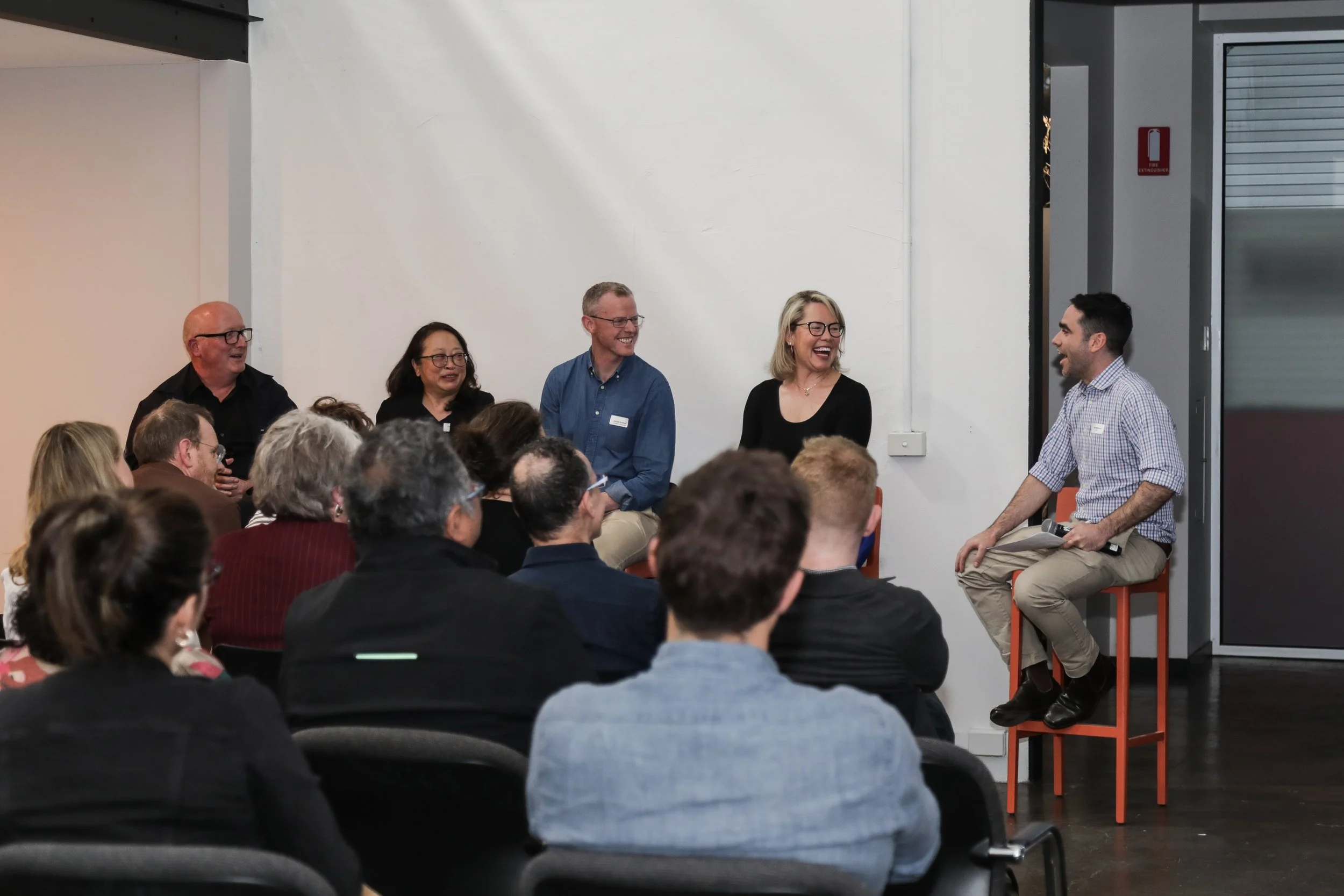
Image: Suzi Appel